How Play, Storytelling, and Everyday Magic Build Strong Little Hearts
Toddlers live in a world filled with big feelings — joy that bursts out of them, frustration that surprises even them, curiosity that never seems to rest. Helping them understand and express those emotions is one of the greatest gifts we can offer. But toddlers don’t learn emotional regulation through explanations. They learn it through the most natural language of childhood: play, storytelling, imagination, and the small magical moments that are woven into their day.
In The Snugawinks of Cuddleton Falls™, play isn’t a backdrop. It is the philosophy and heartbeat of the world. Play is how children explore themselves, their emotions, and their relationships.
Our stories and nursery art celebrate the very best of childhood play — hopscotch on warm sidewalks, flying kites through open fields, splish-splashing through creeks, climbing trees, searching for imaginary snow monsters, and pedaling a bike just fast enough to feel the breeze. These moments do more than bring joy. They build emotional strength; gently, joyfully, and naturally.
Storytelling as Emotional Practice
Stories show toddlers’ emotions outside themselves. They offer a safe, gentle space to explore sadness, bravery, frustration, joy, silliness, and wonder.
Research shows narrative storytelling improves emotional recognition and empathy (Mar, Tackett & Paul, 2010). Snugawinks’ stories are crafted with exactly this intention.
Netty, Naysker, Champers, and little Pike experience real feelings toddlers recognize — curiosity, excitement, mild frustration, bravery — giving parents natural moments to pause and ask:
“What do you think she feels?”
“What might help him feel better?”
Stories give toddlers emotional vocabulary. Play gives them emotional practice. Together, they form the foundation of emotional resilience.
The Drama of Childhood:
How Simple Make-Believe (and a Few Snow Monsters) Build Emotional Strength
Before I ever wrote a play, I acted out hundreds of them — though I didn’t know it then. My stage was my own backyard during big snowfalls, where I trekked through “wilderness,” rescued imaginary travelers, and fought off snow monsters armed only with mittens and imagination.
And that same spirit of simple make-believe flowed naturally into my parenting.
My children didn’t build elaborate theatrical worlds — they played…
turning the couch into a boat
making “stores” with stuffed animals
building forts from pillows and blankets
imagining magical forests in the backyard
And especially playing in the ravines where they grew up, defending themselves from imaginary creatures, trekking through “wild” paths, and battling their own snow monsters on winter days. Nothing complicated. Just joyful, imaginative, everyday childhood play. And research supports this: even simple pretend play strengthens emotional regulation, empathy, communication, and problem-solving (AAP, 2018). This simplicity — this beauty — is at the heart of The Snugawinks of Cuddleton Falls™. It’s why our stories and nursery art capture the imaginative world as children actually live it.
Art, Expression & the Snugawinks Nursery Art Collection
Children express emotion through movement, drawing, scribbling, dancing, and pretending long before they can explain their feelings with words.
This is why The Snugawinks Nursery Art Collection™ begins with two cornerstone art series rooted in emotional growth and imaginative play:
The Snugawinks brothers and sisters are spending a joyful day:
playing hopscotch in the sunshine
climbing small trees in the meadow
flying kites beneath pastel skies
splish-splashing barefoot in the creek
This collection celebrates the adventurous heart of childhood, the moments where emotional growth happens quietly through exploration, imagination, courage, and joy.
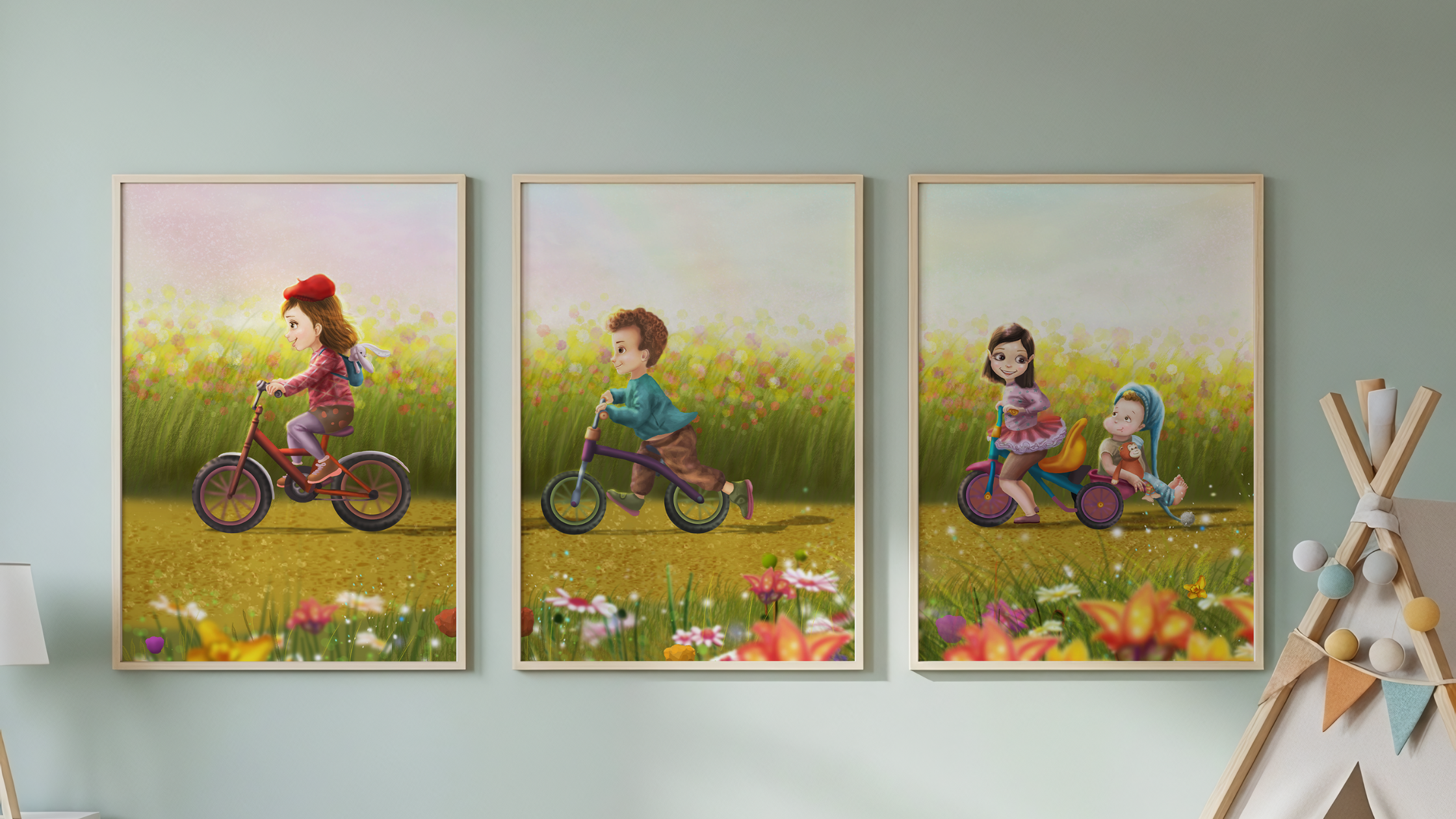
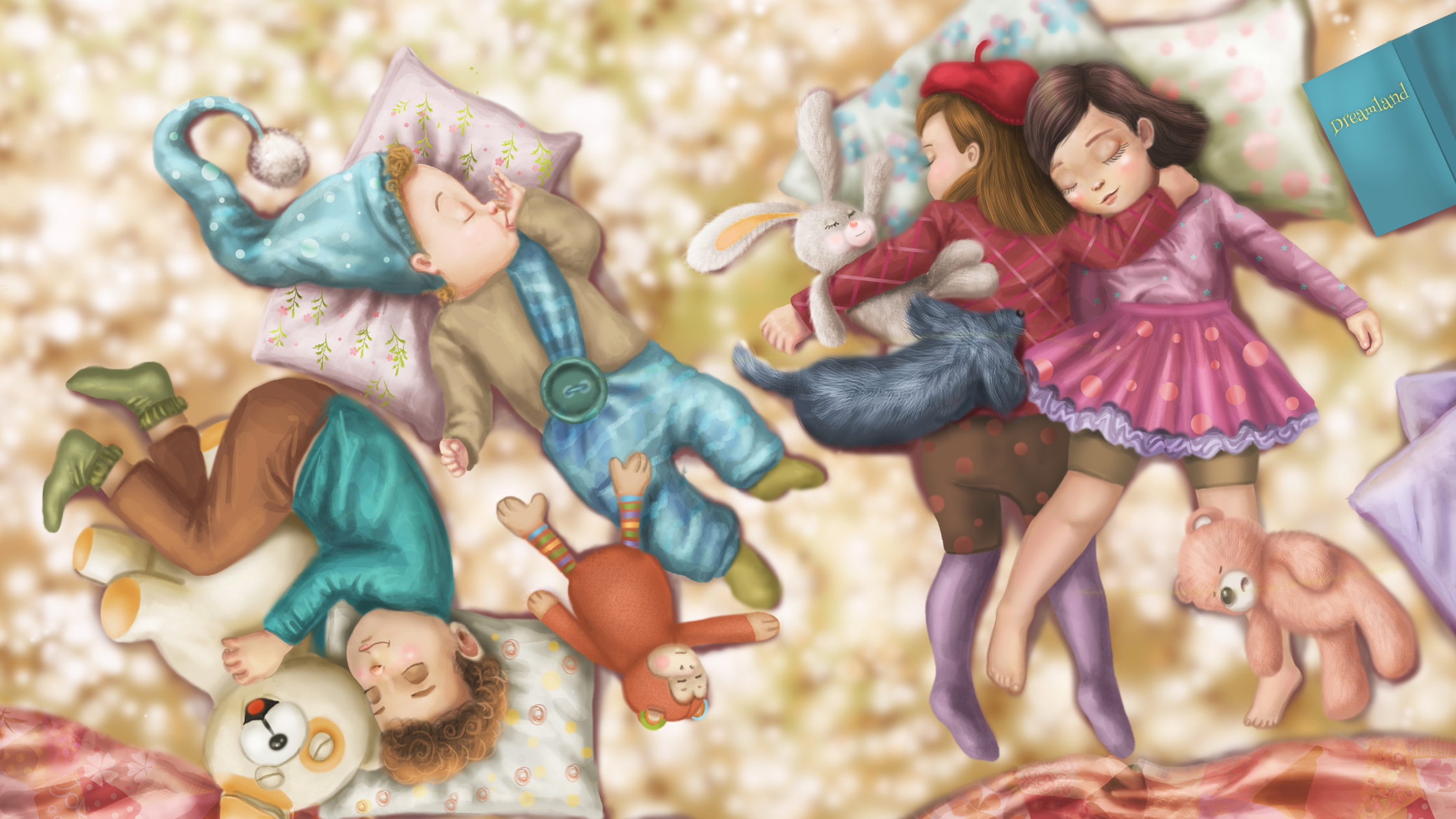
A gentle, whimsical journey through Cuddleton Falls, children pedaling through soft rolling hills, discovering nature, and settling their bodies before bedtime.
Both collections highlight the tenderness of childhood play and the emotional richness hidden inside everyday moments.
The best part is… more magical Snugawinks collections are coming soon.
Art helps parents see what children feel and celebrate the emotional story unfolding before them.
Gentle Emotional-Building Activities for Parents
Emotion Charades
Use dolls or toys to act out emotions and let your toddler guess.
Storytime Pause
Ask: “How do you think he feels right now?”
Simple Pretend Play
Join your child for a few minutes of everyday make-believe — a blanket fort, a pretend store, a tiny backyard adventure.
Art & Expression
Invite them to draw something that made them happy today. Art opens emotional conversation naturally.
Why This Matters for a Lifetime
Emotional regulation grows slowly through repetition, connection, and joyful practice. Play teaches flexibility. Stories teach empathy. Connection teaches safety. Together, they build lifelong resilience, something strongly supported by developmental research (Gross, 2015).
And that is the heart of The Snugawinks of Cuddleton Falls™: celebrating the magic of childhood and the emotional growth hidden within it.
If you’d like to bring more gentle imagination, connection, and emotional growth into your little one’s day, explore the Snugawinks Nursery Art Collection, starting with the Playtime Triptych and Bike Stroll Triptych, with more magical scenes on the way.
And for even more cozy playtime adventures, wander into The Snugawinks of Cuddleton Falls™ Bedtime Series, where the children’s daily discoveries in Cuddleton Falls and Dreamland unfold through gentle storytelling, emotional warmth, and whimsical wonder.
The Importance of Play in Promoting Healthy Child Development and Maintaining Strong Parent-Child Bonds. Pediatrics, 142(3), e20182058. Gross, J. J. (2015).
Emotion Regulation: Current Status and Future Prospects. Psychological Inquiry, 26(1), 1–26. Mar, R. A., Tackett, J. L., & Paul, B. (2010).
Emotion and narrative in development: Toward an integrative approach. Social and Personality Psychology Compass, 4(10), 906–919.