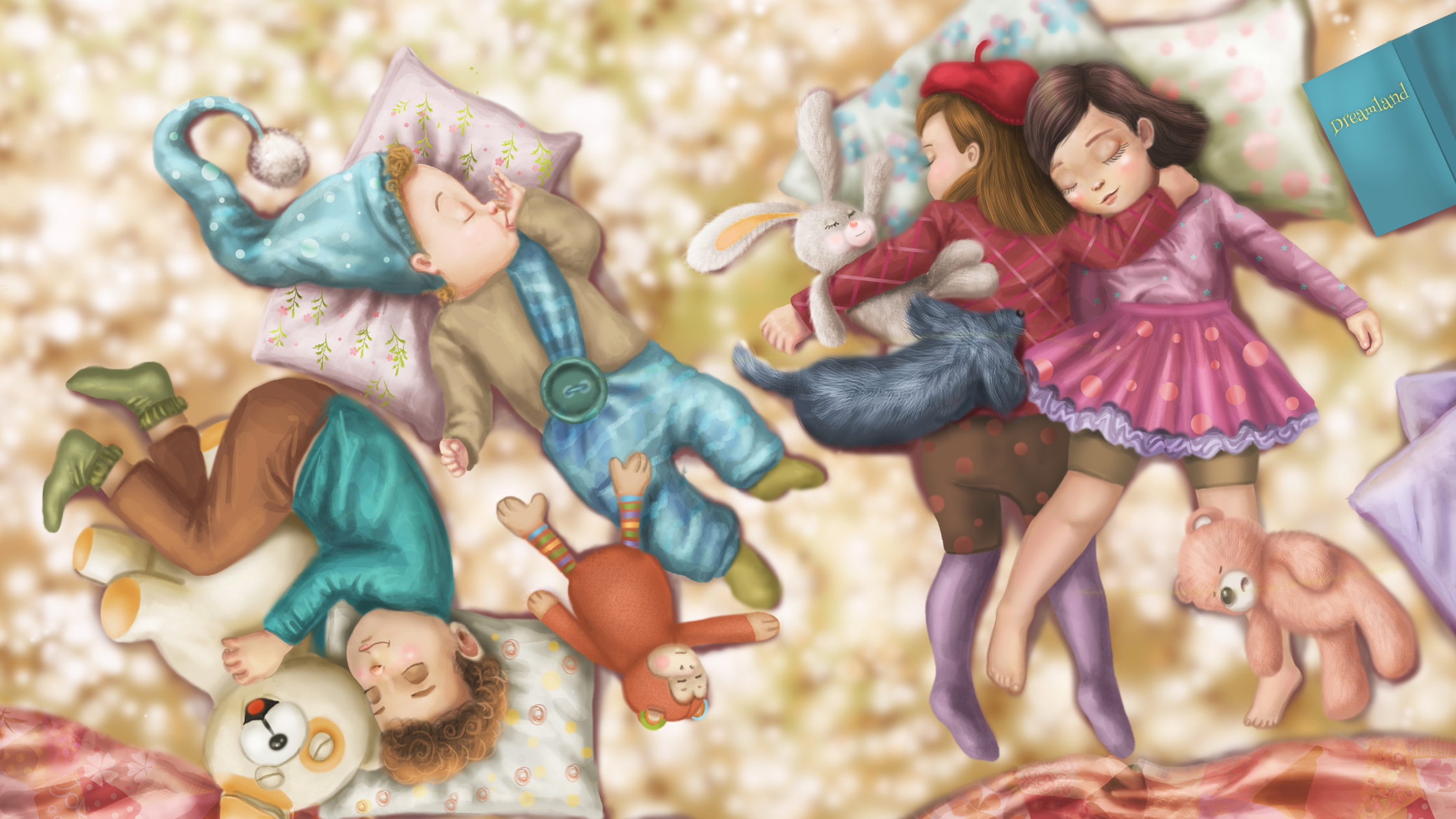
Empathy isn’t something we sit down and teach in one big lesson. It’s something children absorb, day by day, in the way we respond, the way we slow down, and the way we notice feelings together.
Most of the time, empathy grows quietly. In shared bedrooms. In whispered reassurances. In moments that don’t look like lessons at all.
And the good news? Children don’t need perfect behavior to grow into kind humans. They need guided experiences by loving models right at home.
What Empathy Really Means for Young Children
Empathy is the ability to feel with someone else; to notice emotions and respond with care.
For toddlers and young children, empathy doesn’t look like flawless sharing or constant harmony.
It looks like:
pausing before reacting
noticing when someone is upset
offering comfort in simple ways
Especially with siblings, empathy is learned through daily interaction and guidance from caregivers.
Everyday Practices That Foster Empathy
1. Caring for Pets or Plants
When children help care for a living thing, they begin to understand that others have needs too. Children start to observe things like:
feeding routines
gentle touch
cues indicating tiredness, excitement, or fear
Naming what your child sees helps build awareness:
“The plant is wilting because it needs water.”
“The kitty’s tail is soft and delicate, we use gentle hands.”
“The dog seems afraid of the thunder.”
These small acts help children practice kindness beyond themselves.
2. Reading Books That Explore Feelings
Stories give children a safe way to explore emotions — especially big ones.
As you read together, pause and ask:
“How do you think they are feeling right now?”
“Have you ever felt that way?”
“What do you think they will do?”
This kind of reflective reading strengthens emotional vocabulary and helps children recognize feelings in others, helping build skills they will use with family and friends.
3. Playing Pretend
Pretend play is emotional rehearsal.
When a stuffed animal feels “sad” or “scared,” children get to practice:
recognizing feelings
offering comfort
imagining gentle solutions
Empathy Between Siblings: Where Kindness Is Practiced Daily
If you have more than one child, then you know first-hand that siblings are often a child’s first lesson in empathy.
I have four children — two girls and two boys — and, like most families, we’ve had our share of squabbles. There were disagreements over toys, turns, and later… clothes. Those moments can feel exhausting, but they’re also powerful opportunities.
One memory stands out so clearly…
When my boys were about eight and six, my youngest went through a phase of nighttime fears and bad dreams. Like many parents, my husband and I were trying to balance comfort with routines. My husband felt strongly about keeping our bed for the two of us — something that worked for our family and helped everyone rest.
But on nights when my youngest couldn’t sneak past dad, he would quietly wake his older brother. And without hesitation, his brother always made room. He never turned him away. He comforted him and let him feel safe.
In those moments, when I couldn’t be the one offering comfort, my child learned empathy from his sibling, right there in the dark, in a shared room, in a way no lesson ever could.
Ways Parents Can Nurture Empathy Between Siblings
Kindness often starts at home, and siblings give children daily chances to practice it. Here are a few gentle ways to support that growth:
1. Narrate Empathy When You See It
Instead of only stepping in during conflict, notice the kind moments, too:
“I noticed you helped your sister when she was upset.”
“You made space for your brother. That was thoughtful.”
Children repeat what is recognized.
2. Avoid Labels and Comparisons
Phrases like “the sensitive one” or “the difficult one” can unintentionally lock children into roles.
Instead, focus on behavior — not identity:
“That was a hard moment.”
“You’re learning how to work through this.”
3. Encourage Helping, Not Fixing
Having empathy doesn’t mean solving everything — it’s about showing up.
Invite questions like:
“What do you think would help right now?”
“How could you show care?”
4. Allow Small Acts of Comfort
A shared blanket.
Sitting close.
Letting a sibling join during a scary moment.
These acts help lay the foundation for emotional security.
Language That Builds Empathy at Home
The words we use guide how children understand emotions.
Try:
“I see you feel ___.”
“That must have been hard.”
“How can we help each other right now?”
This language teaches children that feelings are something we acknowledge—not avoid.
A Gentle Closing Thought
Empathy isn’t built in perfect moments. It grows in real ones. In sibling relationships. In shared spaces.
In the quiet ways children learn to care for one another, often when we’re not even in the room.
And sometimes, the most meaningful lessons come when a child becomes a comfort to someone else.
These values of kindness, imagination, and emotional awareness are woven throughout The Snugawinks of Cuddleton Falls stories, where children learn through play, animals, family, and gentle storytelling.
If you’re looking for ways to continue these conversations at home, the Snugawinks stories are designed to be shared slowly — read together, talked about, and lived out in everyday moments. Because raising compassionate children isn’t about doing more. It’s about noticing and nurturing the kindness that’s already there.